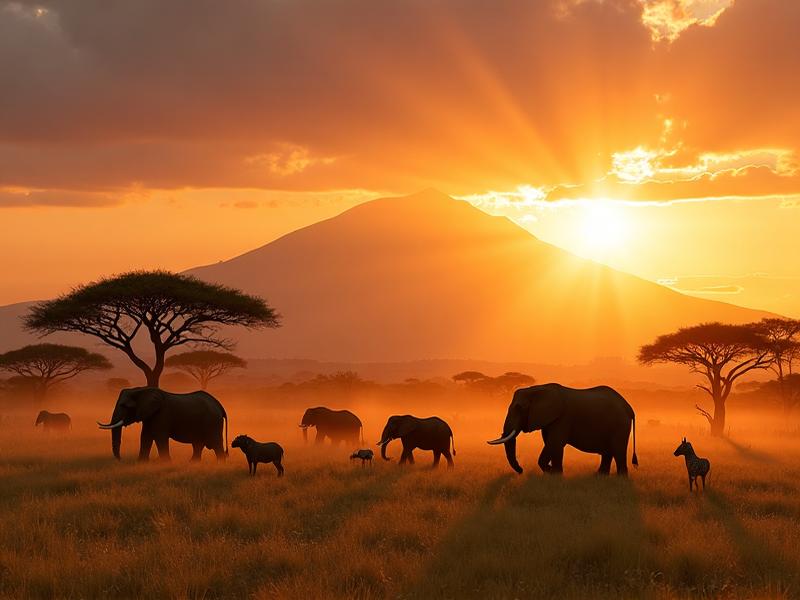
Kenya Safari Packing List: What to Bring (and What to Leave Home)
Packing for a Kenya safari is not packing for a beach holiday with binoculars added. Bush flights cap your luggage, lodges launder daily, mornings are cold and afternoons are hot, and the wrong colors genuinely affect what you see. Here is the list we send our own travelers.
The Luggage Rule Nobody Warns You About
Light aircraft between Nairobi, the Mara, and the coast typically limit you to 15 kg (33 lb) in a soft-sided duffel, plus a small day bag. Hard-shell roller cases often will not fit the hold. Bring a duffel. Most lodges offer same-day laundry, so pack for four days and wash twice — this single decision solves most packing problems.
Clothing: Layers in Neutral Colors
- 3-4 lightweight long-sleeve shirts in khaki, olive, tan, or stone
- 2-3 pairs of convertible or lightweight trousers
- 1 fleece or insulated layer for 6 AM drives at 50-60°F
- 1 packable rain shell
- Comfortable closed walking shoes plus sandals for the lodge
- Wide-brimmed hat and polarized sunglasses
- Swimsuit and a cover-up for lodge pools and Diani Beach
- Something smarter for dinner at coastal resorts
Avoid bright white, which shows dust instantly, and dark blue or black, which attracts tsetse flies. Camouflage clothing is restricted in Kenya and should be left at home entirely.
Safari Gear That Earns Its Space
- Binoculars, 8x42 or 10x42 — the single highest-impact item you can pack
- Camera with a zoom in the 200-400mm range, plus spare batteries and memory cards
- A bean bag or rolled fleece to steady a long lens on the vehicle frame
- Headlamp for camps that cut generator power overnight
- Reusable water bottle
- Dust-proof pouch or dry bag for electronics
- Universal adapter for Kenya's Type G sockets
Health and Toiletries
- Prescribed anti-malarial and all personal medication in original packaging
- Insect repellent with 20-30% DEET or 20% picaridin
- High-SPF sunscreen and lip balm with SPF
- Rehydration salts, anti-diarrheal, and basic pain relief
- Hand sanitizer and wet wipes for bush stops
- Motion sickness tablets for bush flights and rough tracks
Documents
Passport valid six months beyond arrival, printed eTA approval, yellow fever certificate, travel insurance details, and both digital and paper copies of everything. Keep USD in small, post-2009 bills for tips and market purchases.
What to Leave Home
- Camouflage-print anything, which is reserved for military use
- Single-use plastic bags, banned nationwide
- Drones, which require permits almost never granted to tourists
- Hair dryers and heavy electronics; most camps run on limited solar
- Excess jewelry and anything you would be upset to lose in transit
The Items First-Timers Always Forget
A warm hat for open-vehicle mornings, a lens cloth for constant dust, a small padlock for duffel zippers, and a paperback for the slow midday hours between drives.
Get the Full Kenya Travel Guide
Our complete Kenya Safari 2026 Travel Guide goes deeper than any blog post can: the full 9-day day-by-day itinerary, lodge and camp descriptions, what's included and excluded, the payment schedule, and answers to the questions travelers ask most before their first safari.
Prefer to talk it through? Book a free 20-minute consultation with a certified safari specialist, or call 301-744-9554.
👯♀️ Free: Girls' Trip Planning Checklist
Get destination picks, budget templates & group coordination tips — delivered straight to your inbox.
Free Travel Resource Vault
These aren't blog posts — they're printable, take-along toolkits our advisors use every day: packing checklists tuned to 5–7 night sailings, the AF Travel timing formula, and port-day survival sheets. Grab the one that fits your next trip.
Online guide — opens after unlock
Want more than one resource — or a personal recommendation?
Skip the picker. Book a free 20-minute consultation and we'll send the right guides (and a tailored plan) straight to your inbox.
Book a Free Consultation with AF Travel